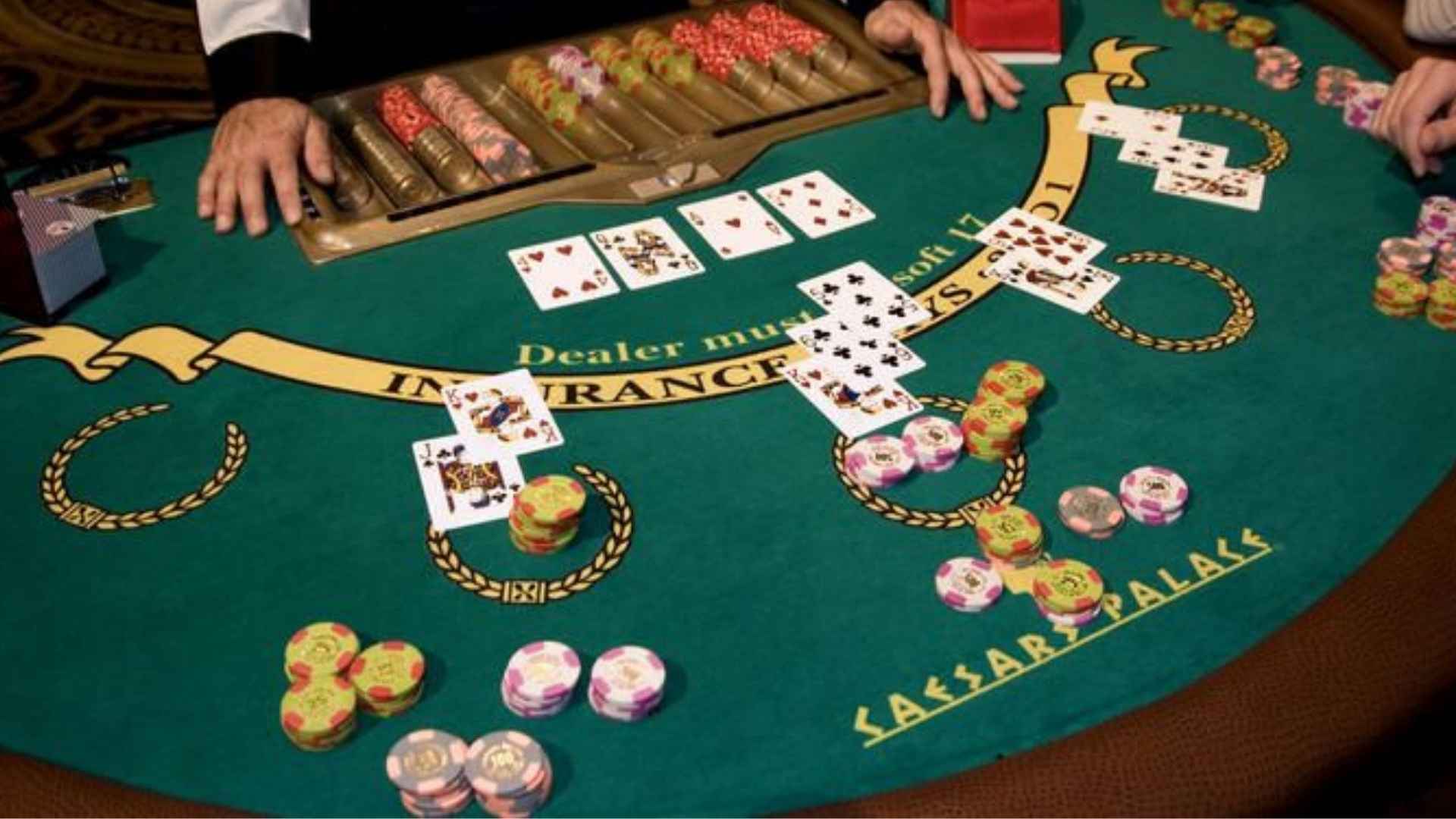
Baccarat has captured the fascination of card players for generations, moving from elite European salons to mainstream global casinos. The traditional version has inspired numerous structural updates that diversify how enthusiasts interact with the game. Exploring these distinct styles reveals a rich tapestry of historical narratives and tactical rules that keep the table experience fresh.
The European Foundations of Baccarat Banque
Baccarat Banque represents one of the oldest formal iterations of the game, deeply rooted in European gaming history. In this particular setup, the role of the banker remains highly centralized and is often designated to the player willing to risk the most capital. This structural constraint introduces an intense psychological dynamic, as participants actively collaborate to challenge the bank's financial momentum.
Unlike casual modern variations, this version demands patience and a solid understanding of table positioning. The enduring legacy of this format proves that traditional high-stakes card mechanics can remain deeply engaging for contemporary audiences. It offers a sophisticated window into the aristocratic past of table games before modern regulations simplified the experience.
The Dynamic Action of Punto Banco
As the game migrated across the Atlantic, it underwent significant alterations to fit the fast-paced nature of modern gaming establishments. Punto Banco emerged as the definitive standard, eliminating complex choices by locking all card draws into strict, automated rules. This structural evolution effectively democratized the game, making it accessible to newcomers who prefer straightforward action over intense strategy.
Because the casino manages the mechanics entirely, players can focus exclusively on tracking patterns and managing their bankrolls. For modern enthusiasts seeking an authentic digital portal to test these rules, using a trusted M88 link alternatif provides immediate access to live variations. The massive popularity of this format highlights a successful transition from exclusive private rooms to scalable online environments.
The Accelerated Evolution of Mini Baccarat
To attract an even broader demographic, modern casinos scaled down the physical environment to create a highly efficient alternative. Mini Baccarat features smaller tables, lower entry limits, and a significantly faster dealing process that compresses sessions into quick bursts. By removing the strict formal rituals of traditional setups, this style has become a permanent staple on vibrant casino floors.
The quick turnaround between hands offers an excellent opportunity for players to practice fundamental tracking techniques without risking substantial capital. This adaptation showcases how continuous optimization helps traditional table games survive in a highly competitive digital age. It strikes a perfect balance between casual entertainment value and classic structural integrity.
Strategic Depth in Chemin de Fer
For players who value active participation over automated outcomes, the classic French style known as Chemin de Fer remains unmatched. In this historical variation, the role of the banker rotates continuously around the table, allowing participants to face each other directly. The active banker possesses the tactical freedom to stand or draw an additional card based on the visible hands of their opponents.
This reliance on individual choices transforms the game from a test of pure chance into a compelling psychological battle. The shifting responsibilities ensure that every shoe delivers unpredictable table narratives and highly customizable outcomes. Embracing this legacy gives modern enthusiasts a deep appreciation for the complex roots of casino card gaming.