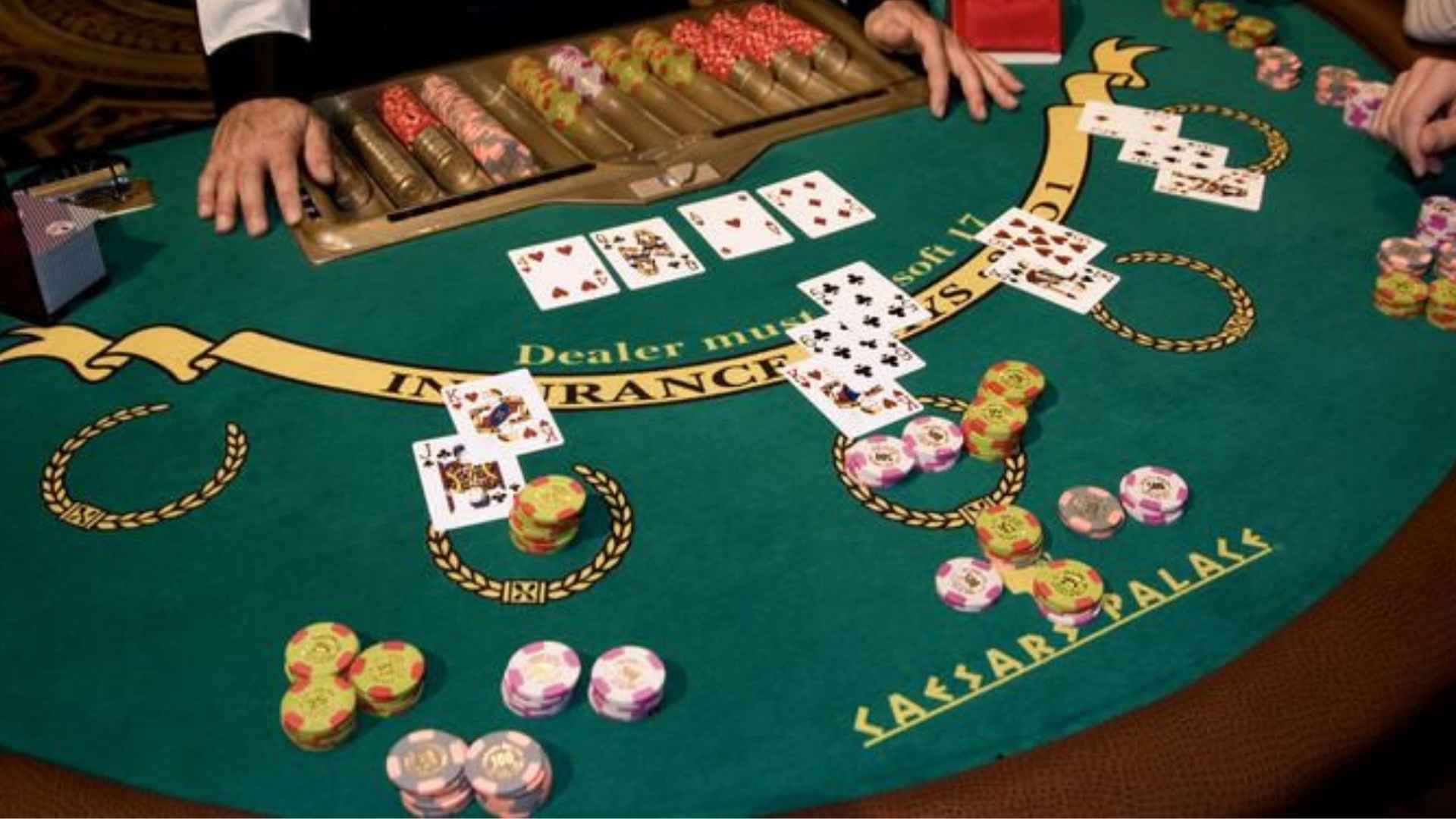
The global gaming landscape has witnessed a remarkable shift as traditional card games break free from their historical confines to embrace modern innovation. Baccarat, once viewed as an exclusive pastime for elite circles, has expanded into a diverse ecosystem of unique rule sets and table dynamics. Exploring these new horizons allows enthusiasts to discover fresh formats that elevate engagement while preserving the classic suspense of the core gameplay.
The Dynamic Transition to Streamlined Sessions
Modern gaming environments demand structural flexibility to accommodate a wider demographic of contemporary card enthusiasts. Traditional variations often rely on elaborate dealing rituals that extend the duration of each individual round. To match the fast-paced nature of digital platforms, developers have introduced streamlined formats that remove technical delays and maximize active playing time.
These fast-paced setups allow participants to experience a high volume of hands during shorter entertainment windows. Casual players can access stable platforms through reliable avenues such as the m88 link alternatif, which hosts various updated configurations. By removing the rigid ceremonies of the past, the game maintains a refreshing balance between historical value and modern mechanical efficiency.
Shifting Rules in Regional Adaptations
As card games migrated across continents, distinct cultural preferences gradually transformed how table protocols are executed. In western gaming houses, classic card handling options empower participants with interactive choices regarding third-card distribution. Conversely, eastern destinations favor highly automated mechanics where the casino manages all physical distribution according to fixed mathematical rules.
These regional shifts directly alter the psychological atmosphere surrounding the table and impact player decision-making. Some international variants introduce specialized commissions or alternative winning conditions that completely redefine traditional payout structures. Understanding these regional updates helps gaming enthusiasts select the precise setup that fits their tactical preferences.
The Emergence of Multilayered Side Features
Beyond standard wagering choices, the modern evolution of table gaming relies heavily on optional sub-mechanics to deepen the overall experience. Traditional baccarat historically focused on three primary outcomes: predicting a banker victory, a player win, or a standard tie. Contemporary editions have expanded this framework by integrating side predictions that track specific card combinations and matching pairs.
These optional structural additions introduce secondary layers of probability that run parallel to the primary game flow. While the core objective remains beautifully straightforward, the inclusion of side features provides seasoned participants with alternative milestones to track during a session. This mechanical diversity ensures that each round offers unpredictable developments for everyone involved.
Immersive Formats Bridging Physical and Digital Spaces
Advanced streaming infrastructure and real-time interaction models have fundamentally redefined how virtual table environments are presented. Real-time digital formats combine the physical security of professional casino croupiers with the seamless convenience of virtual user interfaces. This combination allows enthusiasts to observe authentic card distributions from any location without sacrificing structural transparency.
The integration of high-definition multi-angle cameras and interactive community chat functions replicates the social elements of classic land-based lounges. Participants can track historical outcome patterns through automated digital scoreboards that update instantaneously after every round. As technology continues to mature, the horizons of this historic card game will keep expanding to offer safer and more diverse entertainment options globally.