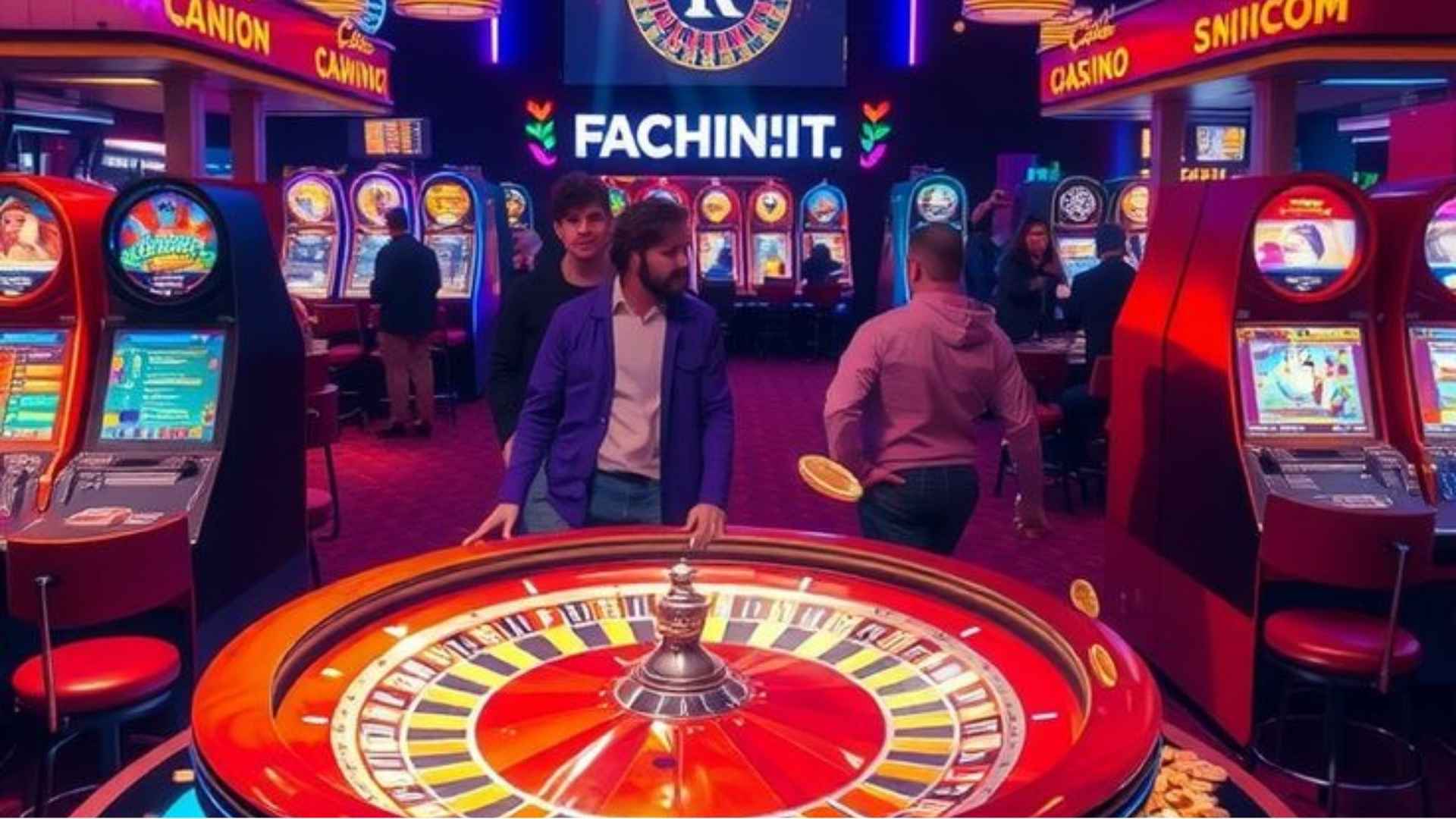
The traditional concept of the spinning prize wheel is undergoing a major transformation in the modern gaming landscape. As technology integrates deeper into casual entertainment, these classic mechanics are evolving to offer much more than a simple test of fortune. Developers are currently exploring innovative design philosophies to keep gameplay engaging, sustainable, and highly interactive for players across the globe.
The Emergence of Multimodal Interaction and Immersion
Modern platforms are moving away from flat interfaces to create deeply immersive multimedia environments for spin-based mechanics. By utilizing advanced graphic engines, contemporary versions introduce dynamic environments that react to every slight deceleration of the pointer. This visual transformation ensures that the simple act of waiting becomes an engaging spectacle in its own right.
Furthermore, developers are experimenting with audio landscapes that adjust in real time based on user interactions. These updates help to sustain excitement throughout a gaming session while respecting the structural limits of chance-based titles. The goal is to build an ecosystem where the narrative arc of a spin feels impactful and fresh every single time.
Integrating Smart Adaptive Features for Personalization
The incorporation of background algorithms allows gaming networks to tailor the overall environment to individual preferences. Instead of delivering a standardized layout, smart architectures observe interaction patterns to suggest custom aesthetic themes or accessible reward variations. This personalization shifts the player experience away from static engagement into a responsive digital relationship.
When exploring these technological upgrades, players frequently seek out reputable networks that prioritize transparency and secure infrastructure. Utilizing a verified m88 link provides enthusiasts with access to platforms that implement verified random selection models. These secure systems guarantee that while the layout adapts to user preferences, the mathematical core remains fair.
Sustaining Long Term Engagement via Tiered Achievement Loops
Another major horizon for prize wheel gaming is the departure from standalone, independent outcomes in favor of connected progression frameworks. Instead of treating every turn as an isolated event, modern setups allow participants to collect fractional points that unlock unique milestones over time. This architectural shift ensures that regular participation yields sustainable value even when missing out on primary rewards.
By building multi-layered structures, operators can appeal directly to a broader audience of casual enthusiasts. Players are no longer tracking just a single major jackpot, but rather managing an ongoing journey across different reward categories. This shift effectively reduces the frustration often tied to purely randomized mechanics and stabilizes user retention.
The Future Balance of Transparency and Entertainment
As interactive features become more sophisticated, maintaining absolute transparency remains a fundamental requirement for growth. Forward-thinking developers are publishing explicit math models and payout percentages to foster a culture of trust and responsible engagement. This straightforward communication empowers participants to establish realistic personal boundaries before initiating a single round.
Ultimately, the continuous evolution of this gaming sector relies on balancing technical innovation with verified fairness. As immersive systems and adaptive progression layers expand, the underlying focus remains fixed on delivering pure recreational joy. The future of the prize wheel ensures that this timeless attraction will remain relevant for generations to come.