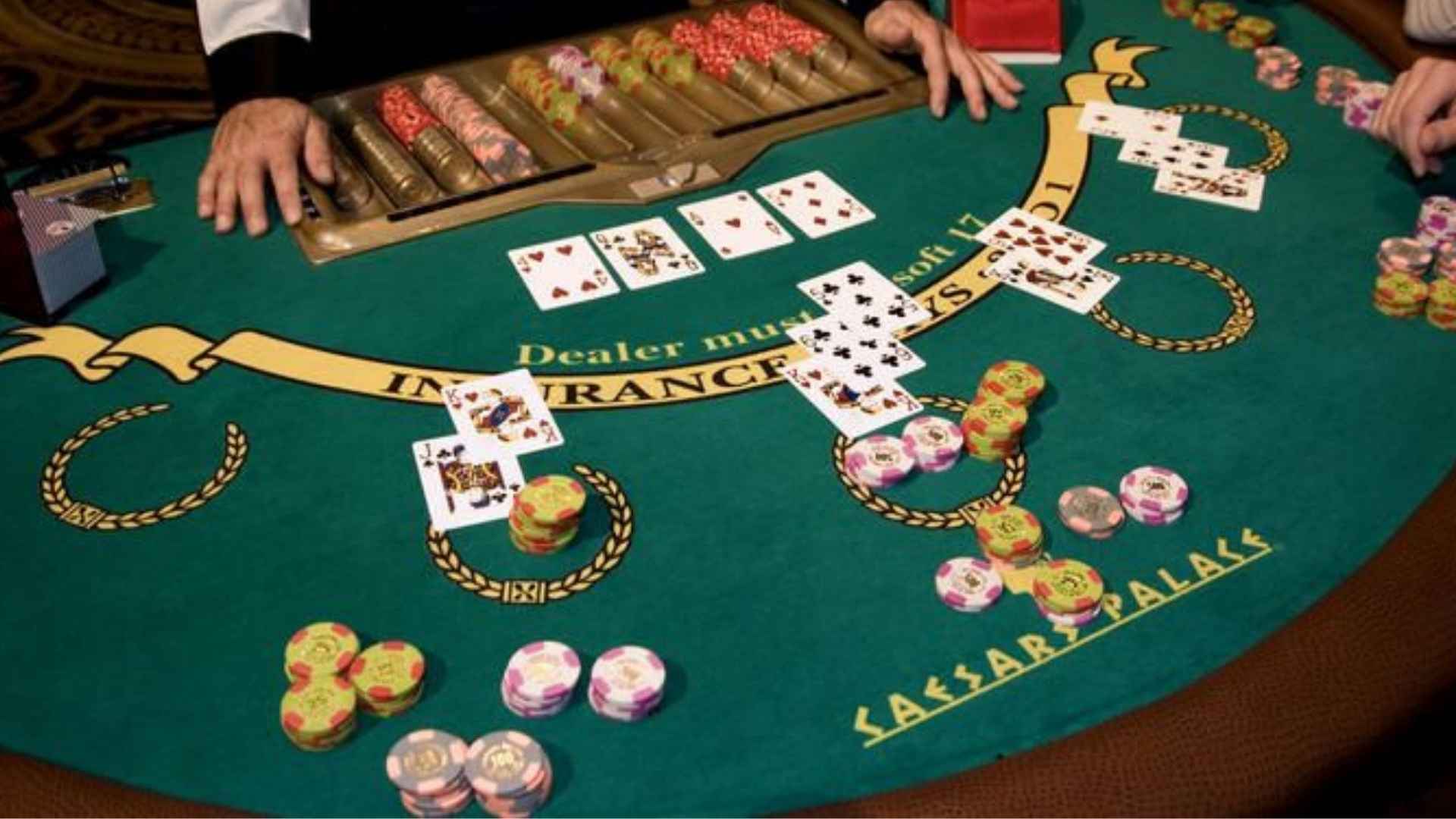
Mastering the tactical nuances of table deception is a fundamental milestone for players looking to elevate their overall card game performance. When the stakes are high, managing psychological stress becomes just as important as reading the cards in your hand. Learning to execute a well-timed bluff under intense scrutiny can separate average competitors from top-tier analytical strategists.
The Psychology of Table Stress
Experiencing physical symptoms like a racing heart or tense posture is entirely normal during critical moments in a match. High-performing players successfully internalize these feelings, converting potential anxiety into a focused and calculated presence. Maintaining an unwavering demeanor prevents opponents from detecting behavioral tells that could compromise your strategy.
Developing a solid reset routine helps players regain emotional composure before making crucial betting decisions. By consciously regulating your breathing and taking measured pauses, you can project complete confidence to the rest of the table. This systematic approach ensures that your tactical choices remain logical rather than impulsive or driven by fear.
Strategic Timing and Context
Choosing the exact street to apply heavy pressure remains a critical pillar of any sophisticated deception plan. An effective move requires a believable story that aligns naturally with how you have played previous rounds. If your aggressive actions lack historical consistency, experienced rivals will easily look past the theatrical presentation.
Evaluating your table image allows you to exploit modern gaming dynamics and maximize your overall earnings. You can explore insightful materials on established platforms like M88 to enhance your understanding of professional competition structures. Adapting your style based on the current room temperature creates a highly formidable and unpredictable competitive edge.
Analyzing Range and Mathematical Odds
Successful bluffs should never rely on simple guesswork or emotional reactions while sitting at the felt. Strategists calculate precise pot odds and analyze potential range distributions in real time to back up their actions. Knowing the mathematical probability of success provides a firm foundation when executing high-stakes maneuvers.
Combining acute observational data with concrete mathematical metrics allows you to take highly disciplined risks. Understanding when the total size of the pot justifies the tactical danger protects your chip stack from sudden depletion. This balanced strategy helps maintain long-term stability across various tournament stages and casual cash sessions.
Adapting to Opponent Styles
Recognizing the behavioral trends of the individuals sitting across from you provides essential data for your next move. Tight opponents who fold easily under intense pressure represent the most profitable targets for strategic deception. When scare cards appear unexpectedly on the board, these players are much more likely to abandon their holdings.
Conversely, highly aggressive rivals require a completely different approach to minimize high-risk encounters. Forcing a confrontation against an unpredictable opponent often leads to unnecessary financial variance. Tailoring your pressure tactics to specific player profiles ensures a much higher success rate over multiple sessions.